

Preparing the published article.

How to Read a Trade Show Announcement Without Over-relying on It
Show headlines describe intent and presence; they rarely describe installed, repeatable production.
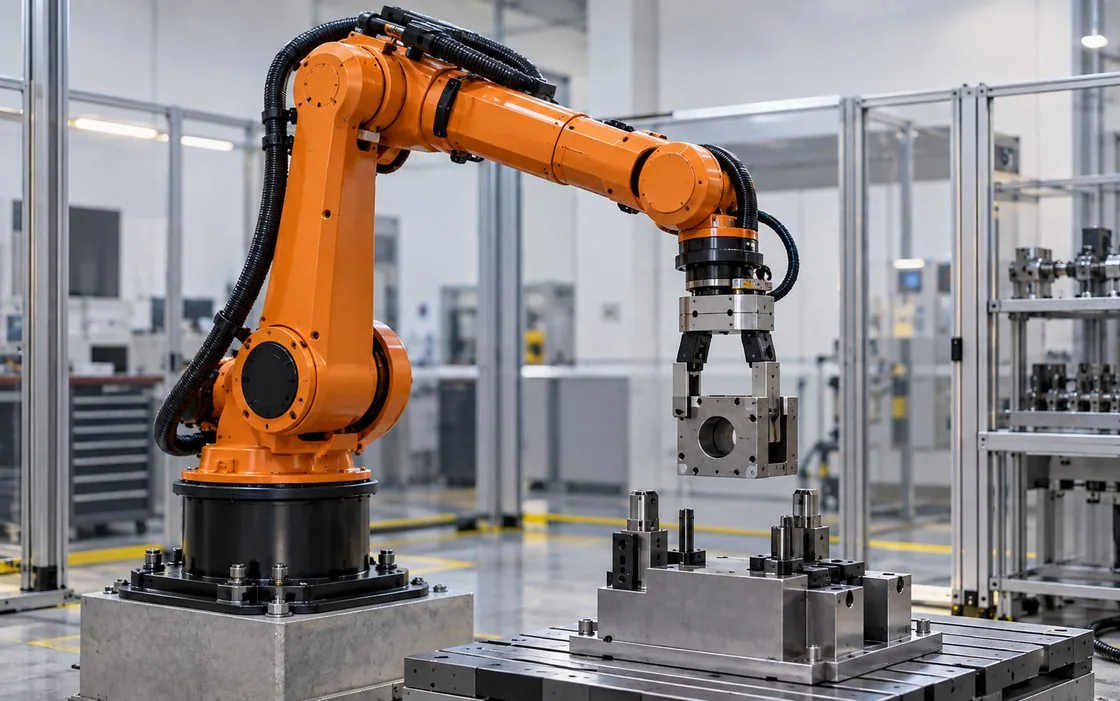
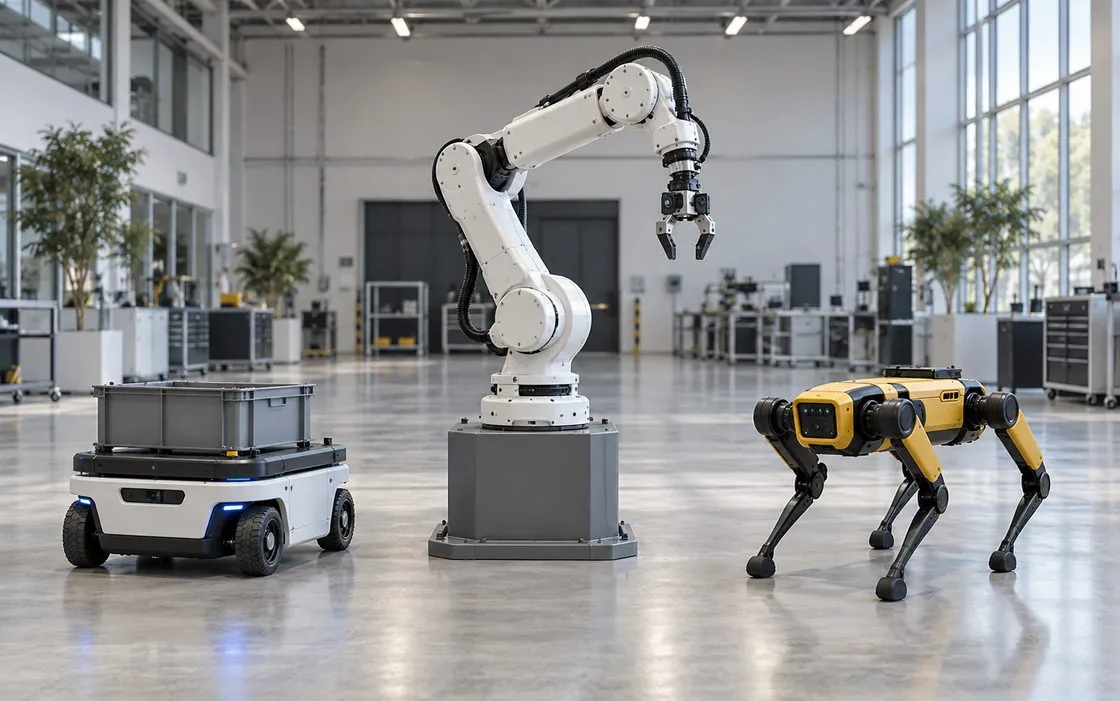
Illustrations in this article are AI-generated topic images, not photographs of the equipment discussed.
Trade shows generate a large share of robotics headlines. A booth demo, a launch event and a signed memorandum all produce similar-looking announcements, yet they carry very different weight. Reading them well means separating presence from delivery.

What a show presence does establish
A company exhibiting does confirm that it is active, that it has something to show and that it is willing to spend on visibility. That is useful context. It does not establish production capacity, service coverage or that the demonstrated behaviour works outside the controlled lighting and prepared parts of a booth.
Separate demonstration from specification
Ask what was actually running: a complete cycle on real parts, a partial motion, or a rendered animation. Ask whether the unit is a prototype, a pilot machine or a serial product. Announcements that answer those questions are far more informative than ones that only describe ambition.
Watch for the difference between order and option
Show announcements often mention frameworks, options or letters of intent. Those are not shipments. When a number appears, check its stage and whether the counterparty is named. Unnamed counterparties usually indicate the arrangement is not yet firm.
A short checklist
Note the date, the venue, what ran, on which parts, and who committed to what. Keep that record with the original link so a later claim can be compared against it.
This article describes how to read announcements. It makes no assessment of any specific company or event.